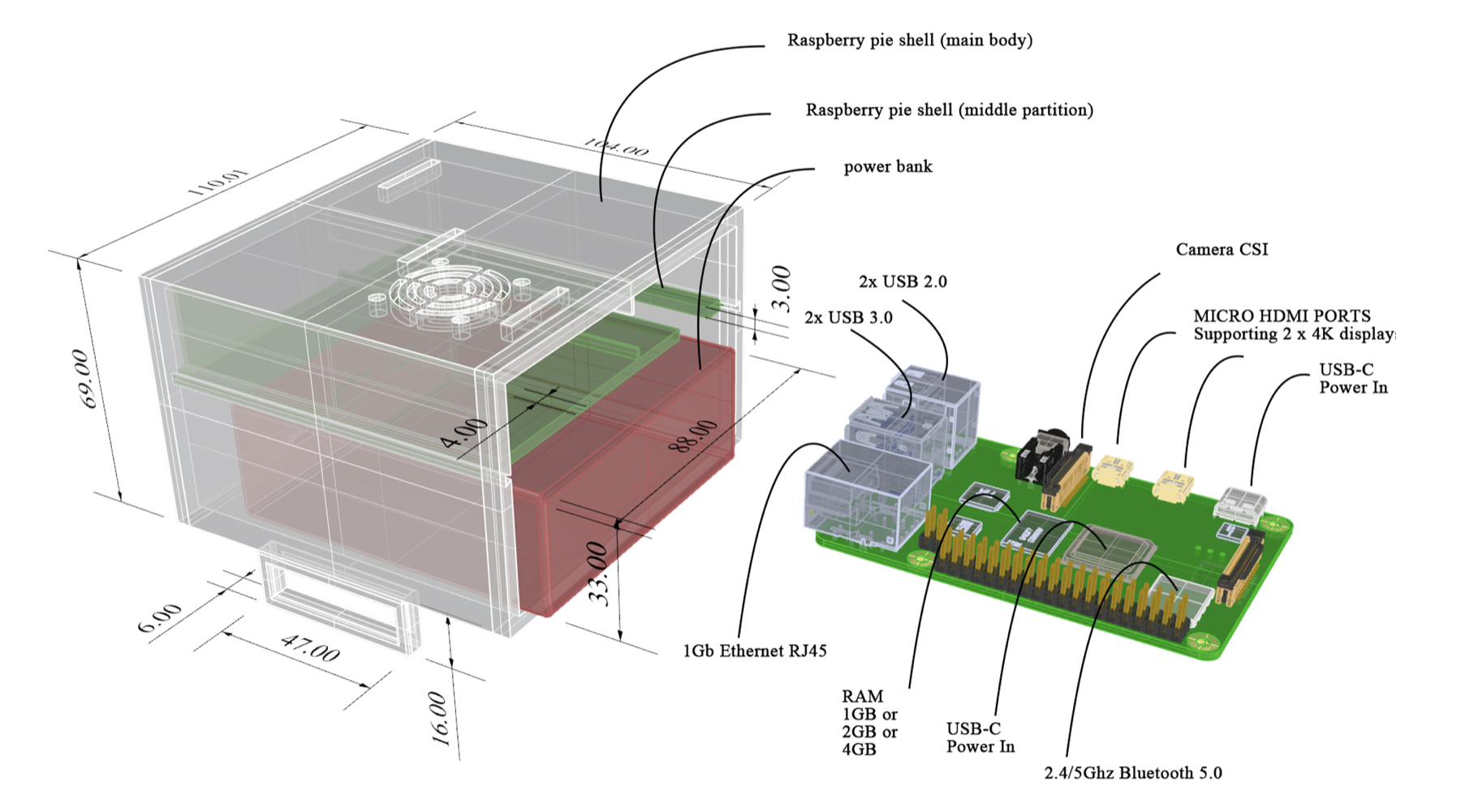
01 / Field instrumentation
Environmental sensing systems
Integration of Raspberry Pi, Pico, ESP32, cameras, environmental sensors, data logging, and lightweight interfaces for field-based studies.
View technical case study ↗Research instrumentation · Vancouver
A research fabrication unit supporting environmental sensing, instrument prototyping, and physical model production.
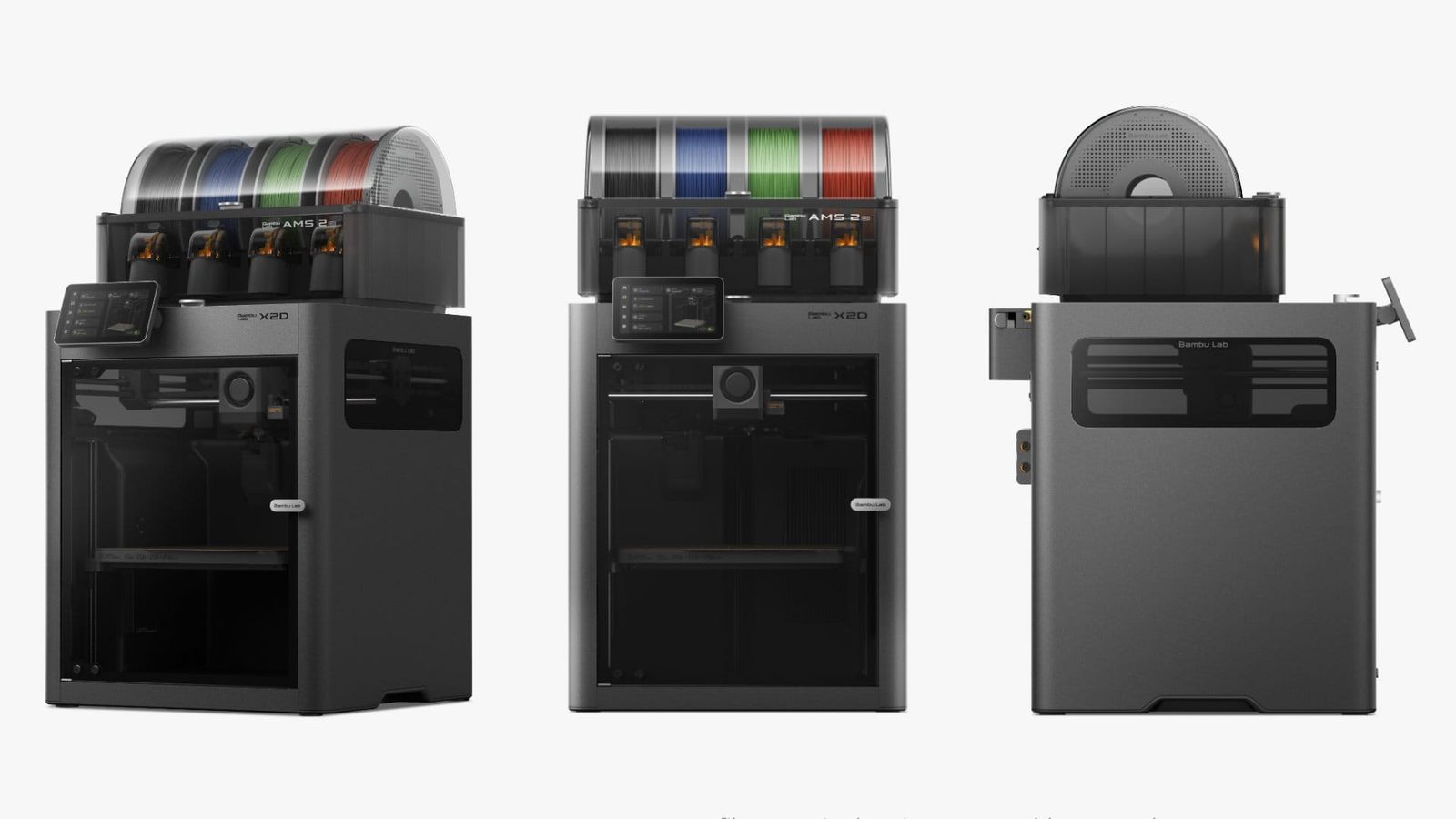
Technical support for three stages of research production: field instrumentation, prototype fabrication, and physical modelling.
Services may be commissioned independently or combined as an integrated workflow for research instrumentation, fabrication, and spatial modelling.
Integration of Raspberry Pi, Pico, ESP32, cameras, environmental sensors, data logging, and lightweight interfaces for field-based studies.
View technical case study ↗CAD development, field enclosures, mounts, fixtures, additive manufacturing, and small-batch components for testing and deployment.
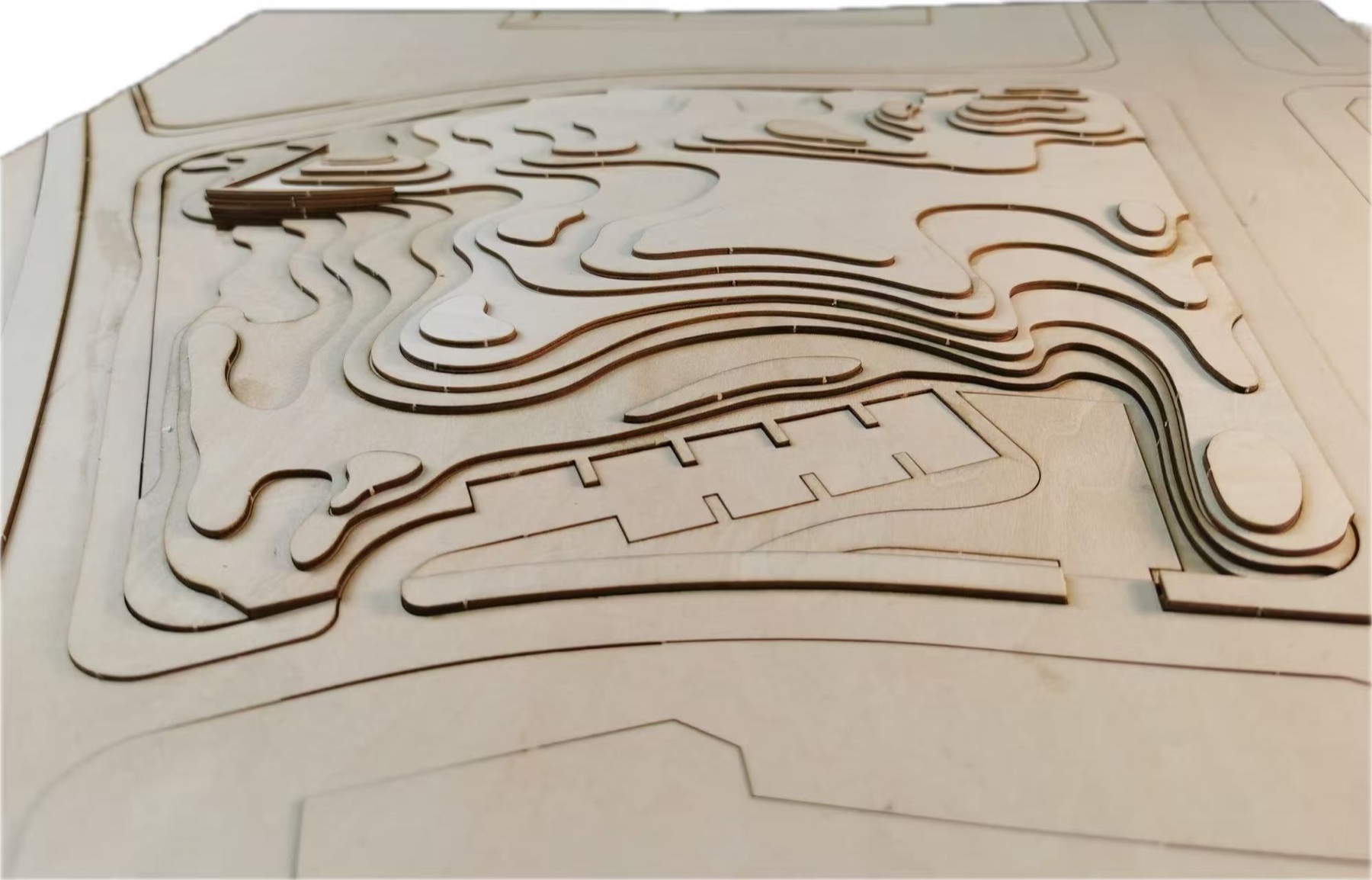
Landscape, architecture, urban-design, and experimental models for spatial analysis, design communication, and environmental research.
The workflow links research objectives and measurement requirements to fabrication decisions, testing procedures, and technical documentation.
Specify the research objective, study environment, variables, spatial and temporal scale, outputs, and constraints.
Develop and integrate electronics, firmware, data logging, enclosures, printed components, or physical models.
Conduct bench testing, record limitations and revisions, and prepare technical documentation for research use.
03 · Selected study
Terrain studies, material tests, and controlled water simulations provide a physical basis for examining form, process, and spatial relationships before full-scale implementation.
model fabrication · casting · controlled simulation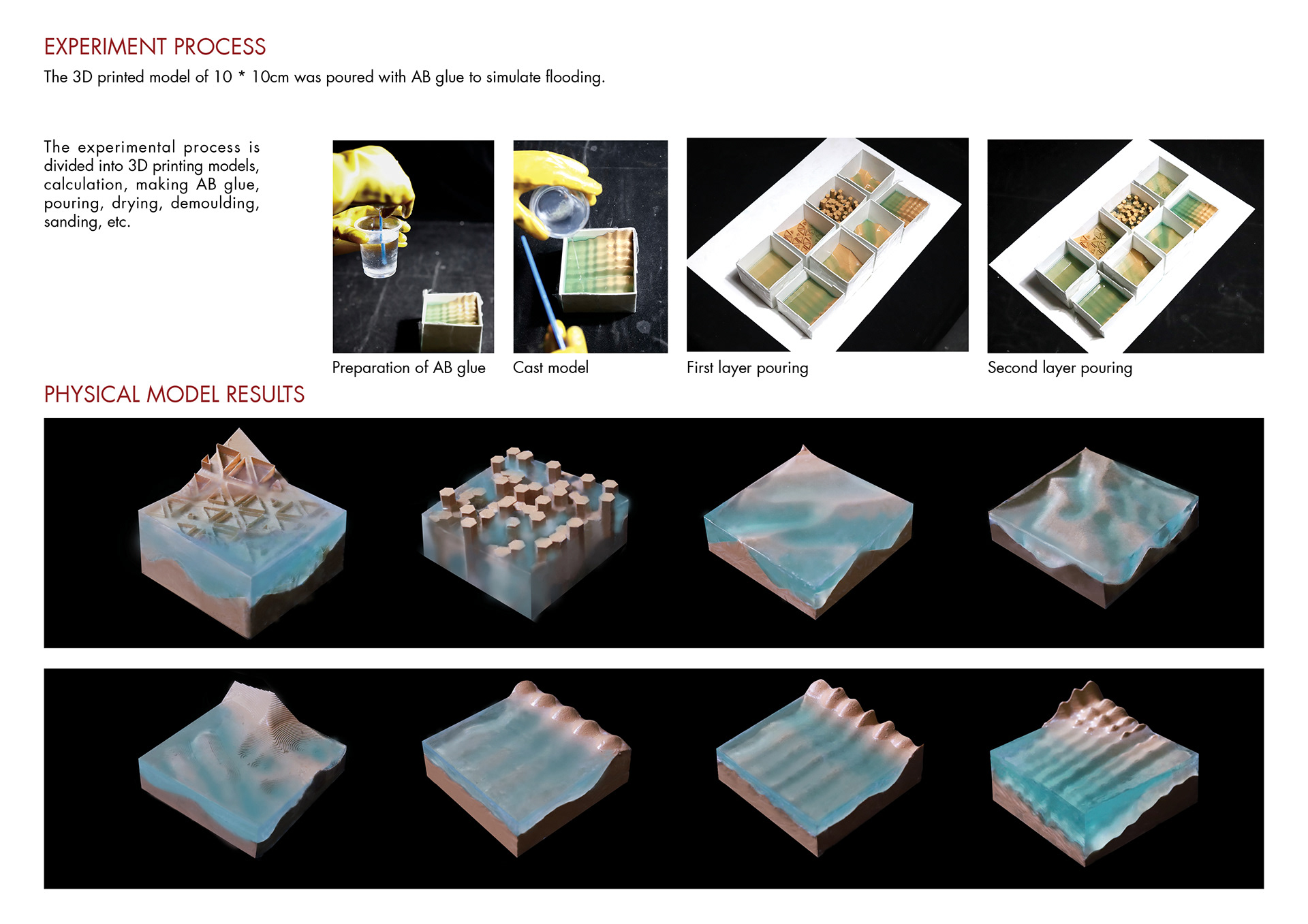
Planning rates and final invoices are stated in US dollars. Quotations account for components, design complexity, validation requirements, material finish, field conditions, documentation, and delivery.
For validated STL/3MF files and technically straightforward model components.
For a defined proof of concept using an established development board and sensing component.
For projects requiring a demonstrable or field-testable research instrument.
Nature AI Fab Studio
Project briefs should identify the research objective, study environment, required measurements or outputs, available drawings or data, timeline, and expected mode of deployment. These materials form the basis for technical scoping and quotation.